 Merken
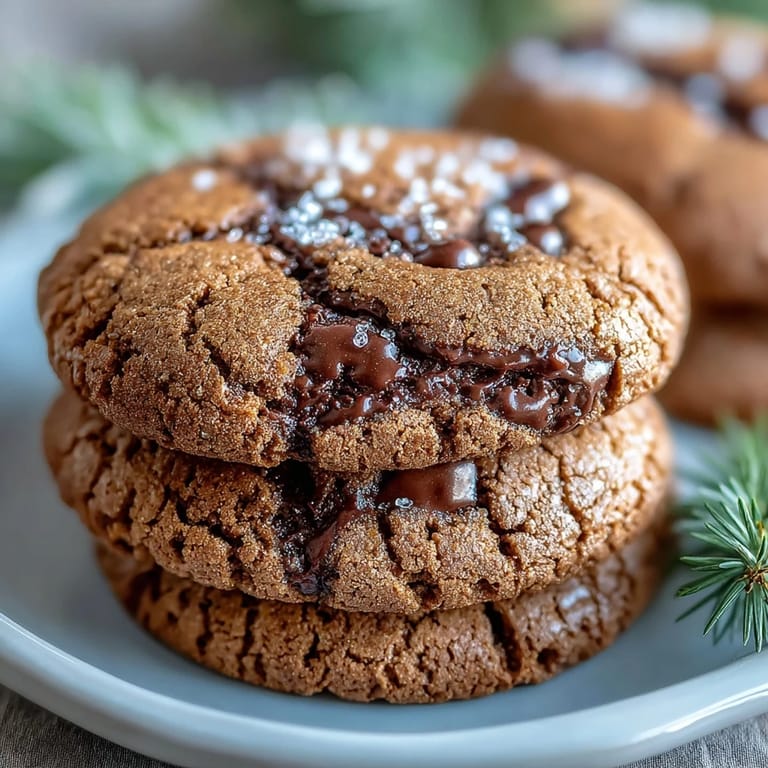
 My nephew discovered Cookie Run Kingdom during a particularly rainy October, and suddenly every snack had to be cookie-themed. When he brought home a picture of GingerBrave, I found myself standing in the kitchen wondering how to capture that cheerful character in actual baked form. These spiced gingerbread bites became our secret project—crisp edges that shatter slightly when you bite down, with an unexpectedly chewy center that makes you want another immediately. The molasses creates this deep, almost mysterious warmth that tastes nothing like the flat gingerbread from boxes. What started as a way to impress a kid turned into something I make whenever I need to remember that baking can still feel like play.
I'll never forget the moment my nephew bit into the first decorated cookie, studied it seriously for a few seconds, then declared it "basically perfect except GingerBrave's eyes were meaner." We both laughed, but then I understood—he wasn't being critical, he was already planning the next batch. That's when I realized these cookies had become less about following a recipe and more about creating tiny moments of joy together in the kitchen.
Ingredients
- All-purpose flour (2 1/4 cups): This is your foundation, and measuring by weight rather than scooping directly from the bag makes a noticeable difference in texture.
- Ground ginger (2 tsp): Fresh ground tastes sharper and more alive than older spice, so check your pantry and replace if it's been sitting for over a year.
- Ground cinnamon, cloves, and nutmeg: Together these create warmth rather than heat, and they should complement each other rather than one overpowering the rest.
- Baking soda (1/2 tsp): This is your spread control and lift agent, so don't skip it even though the amount seems small.
- Unsalted butter (1/2 cup), softened: Softened means it should give slightly when you press it, not melted or straight from the fridge—temperature matters here more than people realize.
- Brown sugar and granulated sugar: The brown sugar contributes moisture and that deeper flavor, while the white sugar helps with spread and crispness.
- Molasses (1/3 cup): This is non-negotiable for authentic gingerbread character; it's thick, dark, and creates a flavor that honey simply cannot replicate.
- Egg and vanilla extract: These bind everything together while the vanilla smooths out any harsh edges in the spice profile.
- Royal icing and decorations (optional): Store-bought works perfectly fine, but making your own takes maybe five minutes and tastes fresher than you'd expect.
Tired of Takeout? 🥡
Get 10 meals you can make faster than delivery arrives. Seriously.
One email. No spam. Unsubscribe anytime.
Instructions
- Preheat and prep your workspace:
- Get your oven to 350°F and line those baking sheets with parchment paper—this isn't just convenience, it's insurance against burnt bottoms and stuck cookies that you'll spend ten minutes scraping off.
- Combine your dry mixture:
- Whisk together the flour, ginger, cinnamon, cloves, nutmeg, baking soda, and salt in a medium bowl, making sure there are no clumps of baking soda hiding in the flour. This step takes two minutes and prevents bitter pockets later.
- Cream the butter and sugars:
- Beat them together until the mixture looks light, fluffy, and noticeably paler than when you started—this usually takes about three minutes with an electric mixer. You're incorporating air here, which creates that tender crumb.
- Add your wet ingredients:
- Drop in the egg, molasses, and vanilla, then beat until everything is combined and the mixture looks smooth and cohesive. The molasses will look like it's not mixing at first, but keep going for about a minute.
- Bring it all together gently:
- Add your dry ingredients to the wet mixture and mix just until you don't see flour streaks anymore—overmixing at this stage toughens the dough and nobody wants dense gingerbread. It should come together as a soft, slightly sticky dough.
- Chill the dough (optional but smart):
- Wrap it in plastic and refrigerate for at least thirty minutes if you have the time; this prevents excessive spreading and makes the dough easier to handle. You can skip this if you're in a rush, but the cookies turn out thinner and crisper without it.
- Roll and cut with intention:
- On a lightly floured surface, roll the dough to about 1/4 inch thickness—you want them sturdy enough to hold decoration but thin enough to crisp at the edges. Use your cookie cutter and place them two inches apart on the baking sheet because they do spread slightly.
- Bake until they're just right:
- The magic happens between ten and twelve minutes—the edges should look set and slightly darker, while the centers still feel faintly soft when you touch them gently. They'll firm up as they cool, so resist the urge to bake them until they feel completely hard.
- Cool with patience:
- Leave them on the baking sheet for five minutes so they finish setting, then transfer to a wire rack to cool completely. This prevents them from getting soft and floppy while also giving you a chance to admire your work before decorating.
- Decorate your creation:
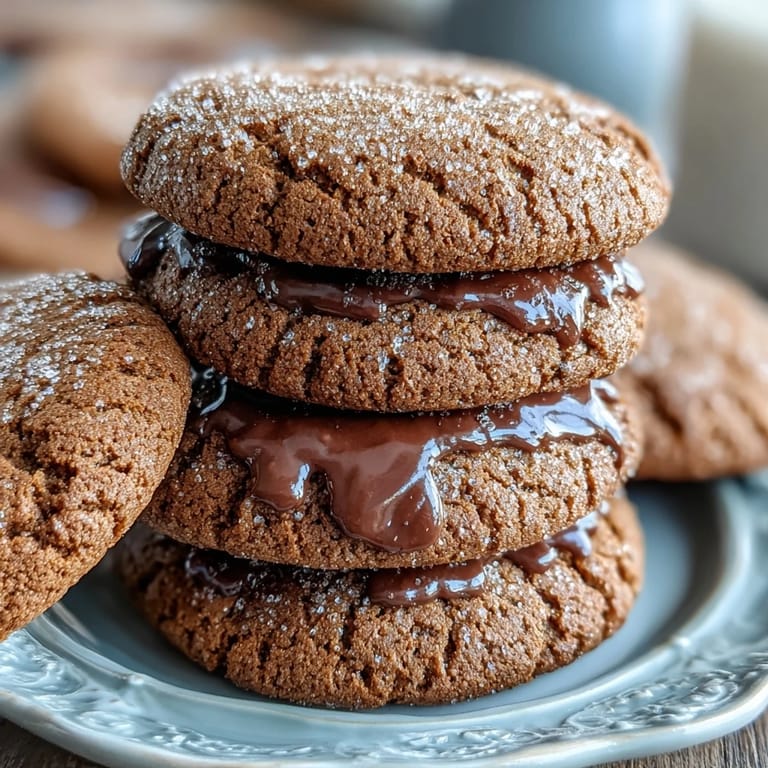
- Use royal icing to pipe on eyes, mouths, and buttons—or arrange mini chocolate chips for character—and let it dry completely before stacking them away. There's no wrong way to do this, which is the entire point of decorating gingerbread people.
 Merken
 There's something about handing someone a small decorated gingerbread person that transforms the gesture from "here's a cookie" into "I made this thinking of you." That shift happens somewhere between the first bite and the moment they notice the tiny chocolate chip buttons you carefully placed, and it's worth every bit of kitchen time it takes.
The Texture Science Behind These Cookies
The chewiness comes from several working together—molasses brings moisture, brown sugar keeps things tender, and pulling them from the oven slightly underbaked lets the residual heat finish the job while they're cooling. I learned this through several batches of rock-hard disappointment before understanding that gingerbread is less about baking longer and more about stopping at exactly the right moment. Think of it like playing a video game where the secret is knowing when to pause, not when to push forward.
Spice Blending and Balance
Each spice contributes its own personality—ginger brings brightness and slight heat, cinnamon adds warmth and familiarity, while cloves and nutmeg whisper in the background with earthiness and depth. The magic isn't in using a lot of any single spice; it's in using just enough of each one that they support rather than compete with each other. I once accidentally doubled the cloves and learned very quickly why restraint matters in spice work.
Making Them Your Own
These cookies are a canvas waiting for your personal touch, whether that's in the baking time you choose, the decoration style that speaks to you, or even the spice ratios if you prefer things more subtle or bold. Some people add a pinch of black pepper for complexity, others use orange zest for brightness, and neither choice is wrong because these cookies belong to whoever's making them. Here's what I've discovered works beautifully:
- For extra chewiness, bake on the shorter end (ten minutes) and they'll stay tender even the next day.
- If you want them crispier, add two extra minutes and you'll get satisfying crunch that pairs wonderfully with coffee.
- Store them in an airtight container with a slice of bread to maintain softness, or in a regular tin if you prefer them to firm up slightly.
 Merken
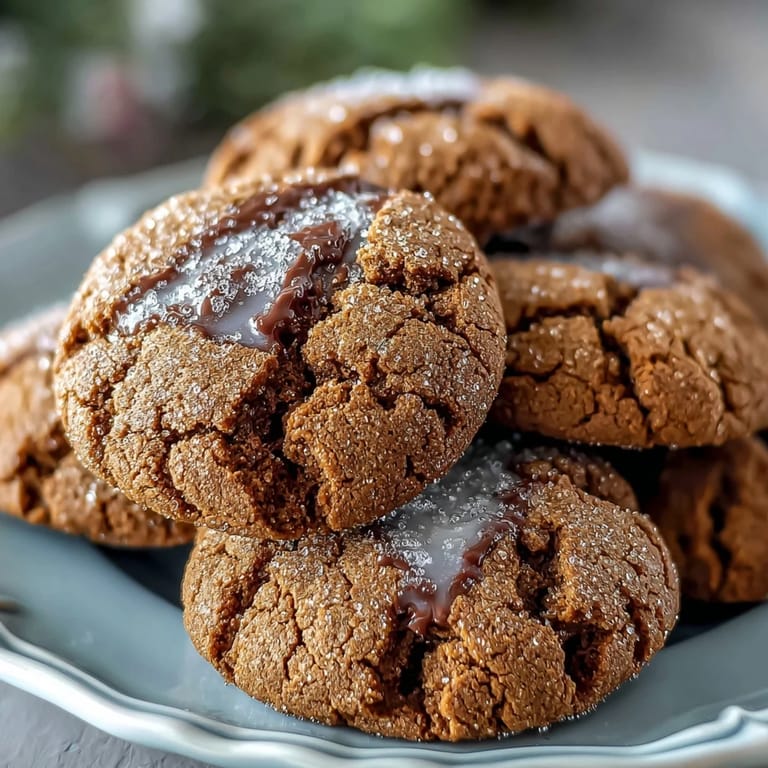
 These cookies represent something simple but meaningful—the intersection of nostalgia, creativity, and the quiet satisfaction of making something from scratch. Whether you're baking them with someone you love, for yourself on a quiet afternoon, or to recreate a moment from a video game, they're proof that the best recipes are the ones that mean something to the person making them.
Fragen rund um das Rezept
- → Wie erreiche ich eine perfekte Konsistenz?
Durch das richtige Backen von 10 bis 12 Minuten werden die Bites außen knusprig und innen weich. Für mehr Zähigkeit die Backzeit eher kürzer wählen.
- → Welche Gewürze werden verwendet?
Eine Mischung aus gemahlenem Ingwer, Zimt, Nelken und Muskatnuss sorgt für das typische Aroma und die warme Würze.
- → Kann ich die Bites dekorieren?
Ja, sie lassen sich mit selbstgemachter oder gekaufter königlicher Glasur und Schokoladenstückchen verzieren.
- → Welche Rolle spielt Melasse im Teig?
Melasse verleiht einen authentischen Geschmack und eine tiefe Süße, die durch Honig oder Sirup nicht ersetzt werden sollte.
- → Wie bewahre ich die Bites am besten auf?
In einem luftdichten Behälter bleiben sie mehrere Tage frisch und behalten ihre Weichheit.