 Merken
 I stumbled onto protein bagels by accident one Tuesday morning when my pantry was nearly empty and I was determined not to skip breakfast. A container of whey powder sat gathering dust next to day-old bread flour, and instead of tossing the idea aside, I wondered what would happen if I mixed them into bagel dough. The result was so unexpectedly good—chewy, substantial, and packed with enough protein to keep me full until lunch—that I've been refining the recipe ever since. These bagels taste nothing like a protein bar, which was the real victory.
My brother visited last spring and rolled his eyes when I mentioned making homemade protein bagels. By the second bite of one slathered with that creamy spread, he was asking for the recipe and wondering aloud why bagel shops hadn't figured this out yet. Watching someone genuinely enjoy something you made from scratch, especially someone skeptical, is a small kitchen magic that never gets old.
Ingredients
- Bread flour (2 cups): This gives your bagels that essential chew and structure—all-purpose flour will make them dense and sad, so dont skip this detail.
- Unflavored whey protein powder (1 cup): The quiet hero that boosts protein without making these taste like a gym shake, but make sure its truly unflavored or youll regret it.
- Instant yeast (2 ¼ tsp): One packet works perfectly, and fresh yeast makes a visible difference in how quickly and reliably your dough rises.
- Dried mixed herbs (1 tbsp): Oregano, basil, and parsley create that savory base that makes people ask what you did differently.
- Garlic powder (2 tsp): Dont use fresh garlic here—it will make the dough weepy and inconsistent, and the powder distributes evenly through every bite.
- Warm water (1 cup): The temperature matters; too hot kills the yeast, too cold and nothing happens, so use a thermometer the first time.
- Cottage cheese (1 cup): The tanginess is essential—avoid the sweetened versions that masquerade as plain.
- Fresh chives and parsley: These brighten the spread completely, so use them fresh rather than dried if you possibly can.
- Lemon zest: Just a touch, but it lifts everything and keeps the spread from tasting one-dimensional.
Tired of Takeout? 🥡
Get 10 meals you can make faster than delivery arrives. Seriously.
One email. No spam. Unsubscribe anytime.
Instructions
- Gather your dry ingredients:
- Whisk together the bread flour, protein powder, yeast, sugar, salt, herbs, and garlic powder in a large bowl. This ensures everything distributes evenly so you dont end up with pockets of pure protein powder later.
- Bring the dough together:
- Pour in the warm water and olive oil, stirring until a shaggy mass forms—it will look rough and slightly sticky, which is exactly what you want at this stage.
- Knead until smooth:
- Turn the dough onto a floured surface and knead for about 8 minutes, working it until its elastic and springs back slightly when you poke it. Your hands will know when its ready before your timer does.
- Let it rise:
- Place the dough in a lightly oiled bowl, cover it loosely, and let it sit in a warm spot for 30 to 40 minutes until its roughly doubled. A turned-off oven with the light on works perfectly if your kitchen is chilly.
- Shape your bagels:
- Preheat the oven to 425°F and line a baking sheet with parchment paper. Divide the risen dough into 6 portions, roll each into a ball, then use your thumb to poke a hole in the center and stretch it into a bagel shape—make the hole slightly larger than you think it needs to be since it shrinks during cooking.
- Prepare the boiling bath:
- Bring 2 quarts of water to a gentle boil and stir in honey and baking soda, which creates that signature bagel crust and slightly chewy interior.
- Boil each bagel:
- Carefully place each bagel in the boiling water for 45 seconds per side using a slotted spoon, then transfer to the prepared baking sheet. You'll see them puff slightly when they hit the water, which is the starch gelatinizing and creating that dense crumb.
- Bake until golden:
- Bake for 18 to 20 minutes until the bagels are golden brown all over and sound hollow when you tap them. Let them cool on a wire rack so the steam escapes and they dont end up soggy on the bottom.
- Make the spread:
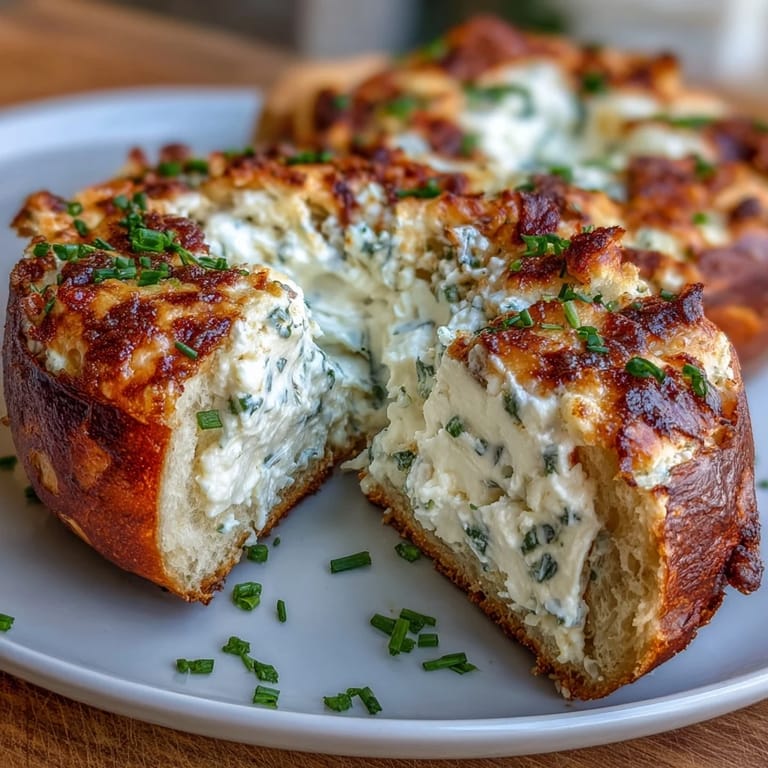
- While bagels cool, combine cottage cheese, chives, parsley, minced garlic, lemon zest, salt, and pepper in a bowl and stir until well combined. Taste and adjust seasoning because cottage cheese can vary in saltiness.
- Serve and enjoy:
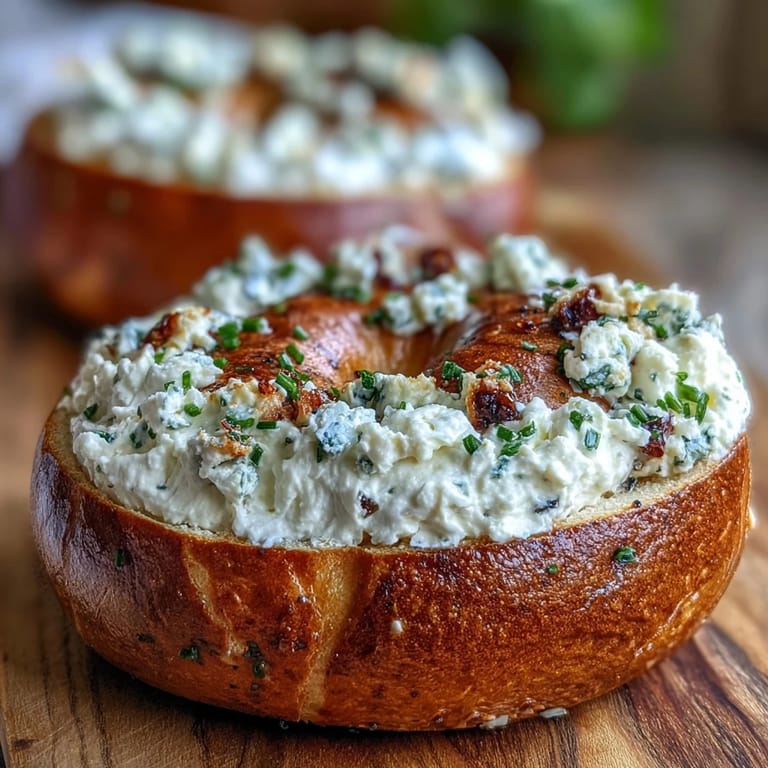
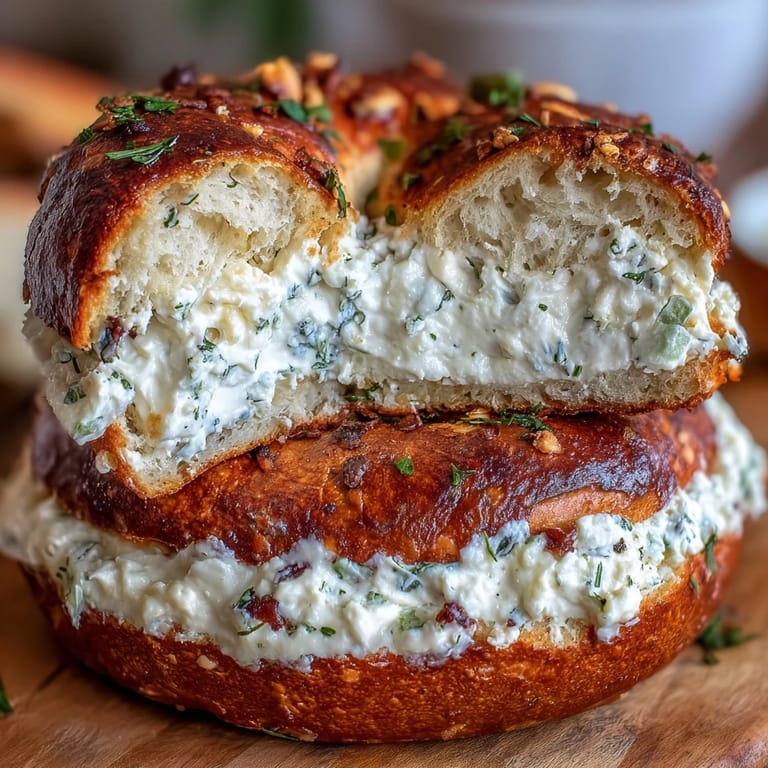
- Slice your bagels, toast them lightly if you prefer, and spread generously with the herbed cottage cheese mixture.
 Merken
 There was an afternoon last month when my neighbor knocked on the door asking if something smelled incredible, and it was these bagels cooling on my rack. We ended up sharing one with coffee, talking about nothing important for an hour, and I realized that food tastes better when it comes with genuine connection.
The Protein Puzzle
When I first started making these, I worried that adding a full cup of protein powder would create something tough or chalky. The secret is not treating it like flour—it doesn't absorb water the same way, so the ratio matters enormously. Once I understood that, the bagels went from okay to genuinely excellent, and that's when I started making them regularly enough to refine every other element.
Why The Cottage Cheese Spread Works
Cream cheese feels obvious, but cottage cheese has a tang and texture that makes each bite more interesting. The fresh herbs and lemon zest transform it from a plain spread into something you'd be excited to wake up for. If you prefer a smoother texture, you can blend it all together, but I like the slight graininess because it adds personality.
Storage and Make-Ahead Magic
These bagels freeze beautifully for up to a month, which means you can make a batch on Sunday and have healthy breakfasts ready for mornings when you have zero energy. The cottage cheese spread keeps for about three days in the refrigerator, and honestly, everything tastes better when you're not rushing.
- Slice bagels before freezing so you can toast them straight from frozen without thawing.
- Make the spread fresh each time for the best flavor, or double the batch and store extras in a sealed container.
- A quick toast under the broiler brings them back to that perfect chewy-crusty texture every single time.
 Merken
 These bagels are proof that the best versions of comfort foods come from being willing to experiment in your own kitchen. Once you make these once, you'll understand why they deserve a permanent place in your breakfast rotation.
Fragen rund um das Rezept
- → Welche Kräuter eignen sich am besten für den Teig?
Oregano, Basilikum und Petersilie passen hervorragend, da sie dem Teig ein mediterranes Aroma verleihen.
- → Wie sorgt das Kochen für die typische Bagel-Textur?
Das kurze Kochen im Wasser bildet eine glatte Kruste und sorgt für die charakteristische zähe Konsistenz der Bagels.
- → Kann man den Hüttenkäse-Aufstrich variieren?
Ja, durch Zugabe von frischen Kräutern oder Zitronenzesten lässt sich der Geschmack fein anpassen.
- → Wie erhöht das Proteinpulver den Nährwert?
Es steigert den Eiweißgehalt und macht die Bagels besonders sättigend und energiereich.
- → Welche Backzeit ist optimal für eine goldbraune Kruste?
Etwa 18 bis 20 Minuten bei 220°C sorgen für eine knusprige, goldbraune Oberfläche.
- → Lässt sich der Teig auch mit glutenfreiem Mehl herstellen?
Ja, mit glutenfreiem Brotmehl kann eine ähnliche Konsistenz erzielt werden, allerdings verändert sich die Textur leicht.